Market Updates
Farm-Fresh vs. Store-Bought: What’s the Real Difference?
11/27/2025
We all want to eat healthy, but when we’re choosing produce we usually grab whatever looks the shiniest, forgetting that the shine might be from wax,...
Forest grown organic vegetables are those cultivated within a food forest ecosystem instead of open, tilled fields and loads of chemical pesticides.
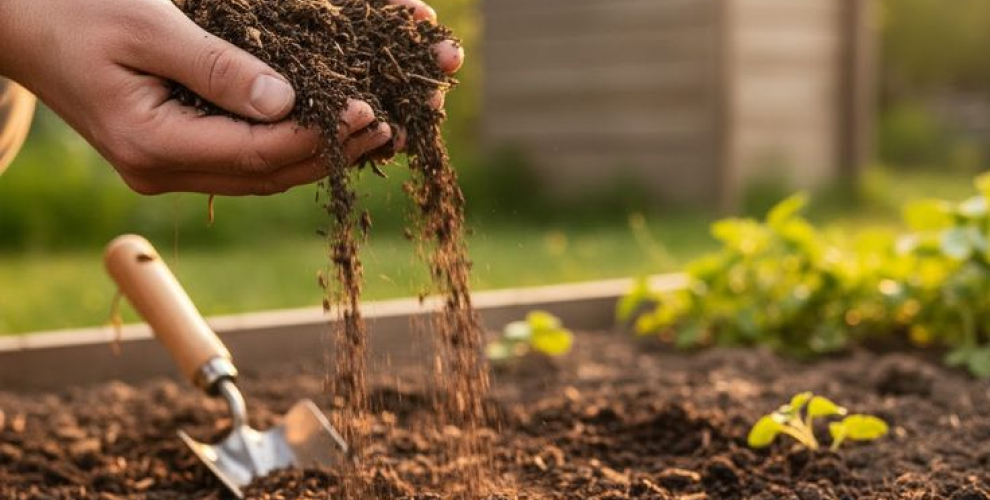
These vegetables grow under partial shade, enriched soil, and diverse plant layers that create a naturally balanced environment. The constant fall of leaves, twigs, and organic matter forms a soft, nutrient-rich forest floor. Instead of adding chemical fertilizers, the soil regenerates itself, giving vegetables slow, steady, natural growth. This makes them more flavourful, more full of nutrients and far more resilient to climate stress.
Benefits of Growing Vegetables in a Food Forest
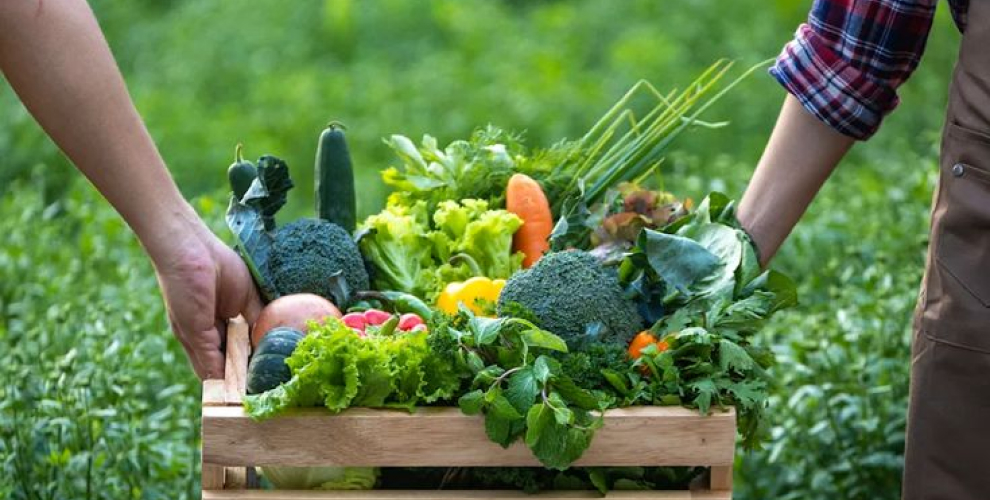
Forest grown vegetables offer a remarkable advantage because they develop within an ecosystem that mirrors nature’s deepest rhythms. Instead of growing in exposed soil that dries out quickly and relies heavily on external inputs, these vegetables mature slowly in a cool, shaded, and biologically active environment. The soil beneath a food forest is teeming with life fungi, earthworms, beneficial bacteria, and decomposing organic matter all work together to create a naturally fertile foundation. This living soil continuously breaks down leaves, twigs, and biomass into nutrients that vegetables absorb gradually over time. As a result, the crops grow at a natural pace, allowing flavors to deepen and nutrients to concentrate in every leaf, stem, and root.
Another significant benefit is the long-term improvement of soil health. Unlike conventional farming, which often strips the soil of its natural structure and fertility, food forests build soil every single day. The thick layer of mulch protects the ground from erosion, retains moisture, and prevents nutrient loss. This makes food forests particularly effective in areas with low rainfall or regions struggling with increasing water scarcity. The trees and plant layers create a protective canopy that stabilizes the microclimate, reducing heat stress and shielding tender vegetables from harsh sunlight. Even during extreme summer which are increasingly common in India the shaded forest environment helps crops survive and thrive. Over time, the entire system becomes regenerative and chemical-free, producing healthy vegetables while improving the land rather than depleting it.
Best Vegetables That Thrive in a Food Forest
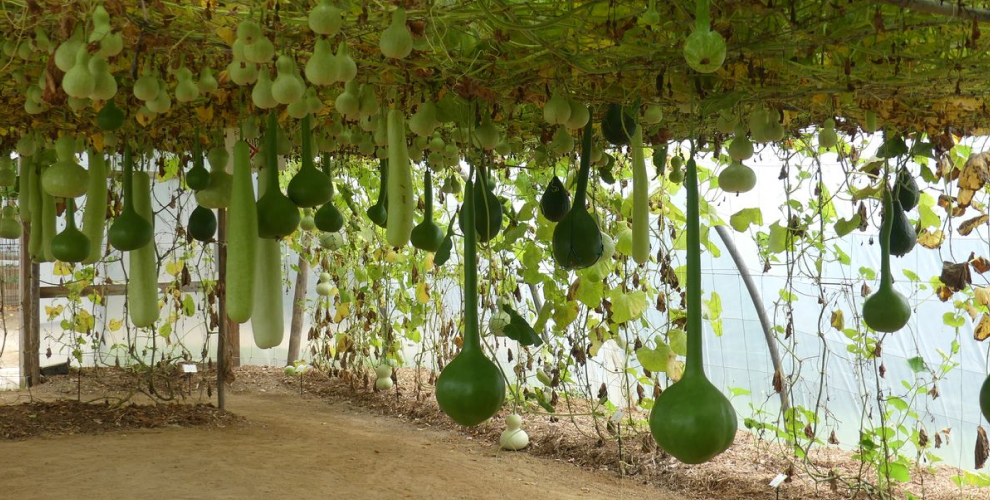
A food forest naturally supports a wide variety of vegetables because its multi-layered structure creates different microclimates. Leafy greens such as spinach, amaranth, and methi love the partial shade beneath fruit trees, where the soil remains cool and full of moisture. Their delicate leaves stay soft, vibrant, and nutrient-rich because they are protected from scorching sunlight.
Root vegetables like radish, beetroot, turmeric, and ginger benefit immensely from the loose, well-aerated soil that forms under continuous covering of soil. The decomposed organic matter makes the ground soft and rich, allowing roots to expand easily and absorb minerals more efficiently.
Climbing vegetables such as bottle gourd, beans, and ridge gourd flourish even more in a food forest because they can naturally use tree trunks, branches, or simple supports to grow vertically. This saves ground space while encouraging higher yield and healthier fruits. Herbs including basil, coriander, mint, and lemongrass thrive due to the constant supply of organic matter and the gentle, filtered sunlight that keeps them aromatic and flavourful. The presence of multiple plant types growing simultaneously ensures that different vegetables reach maturity at different times, turning the food forest into a continuous source of fresh, seasonal produce throughout the year. For farmers, this steady and diverse harvest makes the system not only sustainable but also economically dependable.
Why Consumers Prefer Forest-Grown Vegetables
Consumers today are increasingly mindful of where their food comes from, how it is grown, and what impact it has on their bodies and the environment. Forest-grown vegetables appeal to them because they carry the assurance of purity: no synthetic fertilizers, no chemical pesticides, and no forced growth enhancers. These vegetables absorb nutrients from naturally enriched soil, making them richer in antioxidants, minerals, and plant compounds that support immunity and overall well-being. Their flavour profile is noticeably better too slow growth under natural conditions allows vegetables to develop depth, sweetness, and aroma that chemically grown crops simply cannot match.
Beyond taste and nutrition, people value forest-grown vegetables for the ethics behind them. Choosing such produce means choosing a farming method that respects the land, rebuilds soil, conserves water, and supports biodiversity. Consumers feel more connected to food that is grown in harmony with nature rather than extracted from the earth at the cost of environmental damage. As awareness increases, forest-grown vegetables have become a symbol of conscious consumption. When customers pick up these vegetables, they are not just buying ingredients for their meals they are supporting regenerative agriculture, promoting ecological balance, and contributing to a healthier planet for future generations.
FAQs
1. What makes forest-grown organic vegetables different from regular organic vegetables?
Forest grown vegetables are cultivated inside a natural, multi-layered ecosystem rather than open fields. They receive nutrition from decomposed leaves, mulch, and microbial activity that forms on the forest floor. Because the soil regenerates naturally and remains rich in organic matter, the vegetables grow slowly, develop deeper flavours, and contain higher micronutrients than vegetables grown with human-managed organic inputs.
2. Do food forests require a large amount of land to grow vegetables effectively?
Food forests are surprisingly space-efficient because the system is built vertically through layered planting. Trees, shrubs, herbs, vegetables, climbers, and roots all grow in shared space. This means even a small area can support multiple plant layers and produce a high yield. Farmers and home growers can start a food forest in as little as a few hundred square feet without compromising productivity.
3. Are food forests difficult to maintain once they are established?
Food forests are much easier to maintain than traditional farms because they follow nature’s own systems. Once the layers are set, the ecosystem begins to self-regulate. The continuous mulch suppresses weeds, retains moisture, and enriches soil. Birds and beneficial insects manage pests naturally. Farmers mainly need to prune occasionally, add mulch when required, and provide minimal irrigation, making the workload significantly lighter than conventional farming.
4. Can food forests really produce vegetables throughout the year?
Yes, food forests can support continuous vegetable production because different plant layers mature at different times. Leafy greens thrive under partial shade, root crops grow steadily under the soil, herbs regrow easily, and climbers fruit across seasons. This diversity ensures that even when one group of plants is resting, another is producing, creating a year-round supply of fresh vegetables.
5. Is the food forest method suitable for India’s climate and soil conditions?
The food forest method is exceptionally well-suited to Indian conditions because it reduces water usage, protects the soil from heat, and regenerates degraded land. The shaded microclimate created by trees helps vegetables survive extreme summers, while the deep mulch retains moisture during dry periods. By using native plants and natural processes, food forests thrive across India’s varied climates from arid regions to humid tropical zones.
discover more insights and tips from our collection of farming expertise
Market Updates
11/27/2025
We all want to eat healthy, but when we’re choosing produce we usually grab whatever looks the shiniest, forgetting that the shine might be from wax,...
your thoughts matter! whether it's a tip, a story, or simply what you felt after reading drop your thoughts below. every comment is like planting a seed, and together we grow stronger, healthier, and more connected.
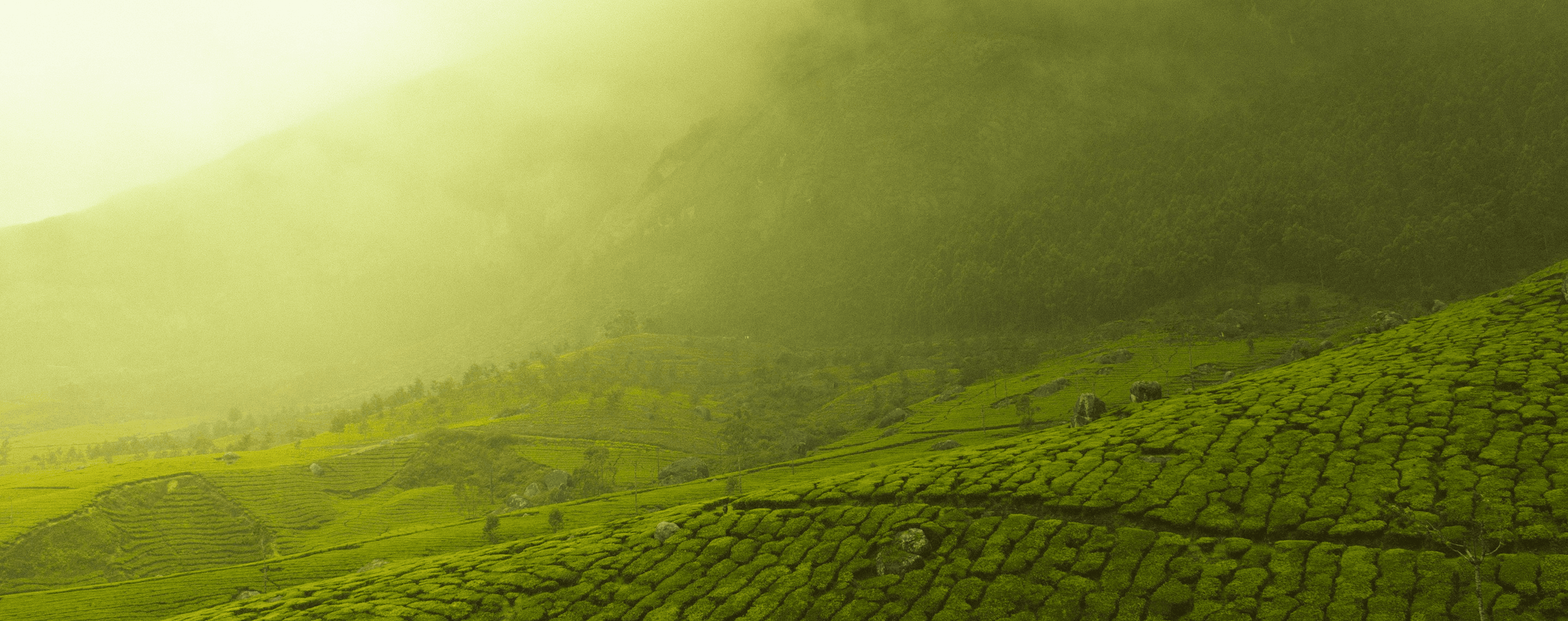
organic loki is a powerhouse of hydration, rich in fiber, and supports digestion. it's low in calories and packed with essential nutrients like Vitamin C, calcium, and magnesium.
read moreExperience the freshness straight from our fields to your basket. Join us at our physical organic markets where you can explore a variety of farm-fresh fruits, vegetables, pulses, and more — all 100% certified organic and chemical-free.


9:00 am - 6:00 pm (7 days a week)
find JR farms at G-250, Rugs, Hans Vihar, RIICO Industrial Area, Mansarovar, Jaipur, Rajasthan 302020
Find the location
7:00 am - 12:00 pm
find JR farms at B-190, University Marg, Bapu Nagar, Jaipur, Rajasthan 302015
Find the location
7:00 am - 10:00 am
find JR farms at Chitrakoot Stadium, police station, A-2, near Chitrakoot, Vaishali Nagar, Jaipur, Rajasthan 302021
Find the location