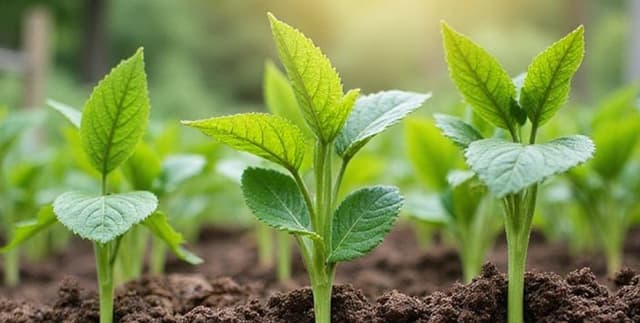
When we talk about organic farming, most people have a single perspective, that it simply means food grown without chemicals and pesticides. But it is much more than that. Organic farming begins with the soil, the very place where life starts. It is the mother earth that nurtures everything we eat and everything we become. When we care for the soil, it responds by producing food that is naturally rich in nutrients and supports our overall well-being. This is why organically grown food isn’t just “chemical-free”- it carries the strength, purity, and nourishment of healthy, living soil.
Healthy soil is not just dirt. It is a living, breathing ecosystem full of microorganisms, nutrients, and organic matter that directly influence the quality of our food. And when the soil thrives, everything growing in it thrives too.
1. Soil is the Foundation of Nutrition
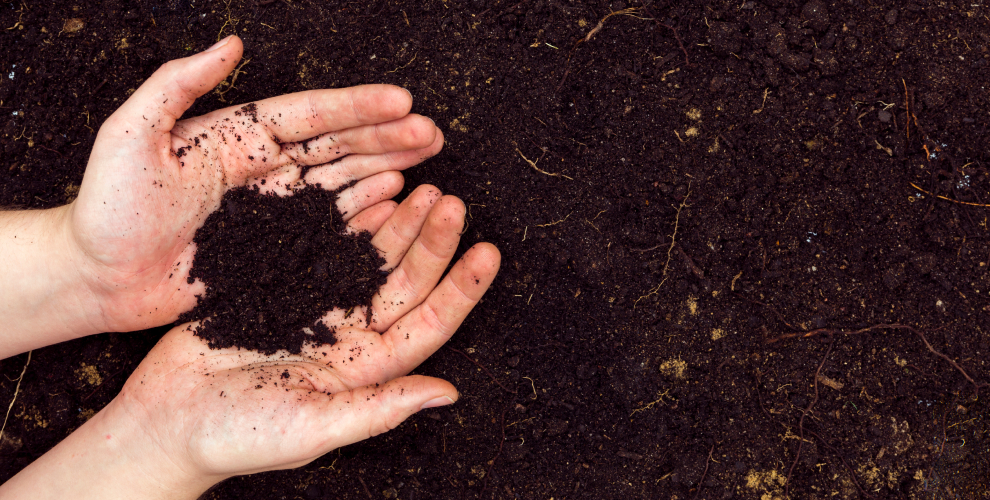
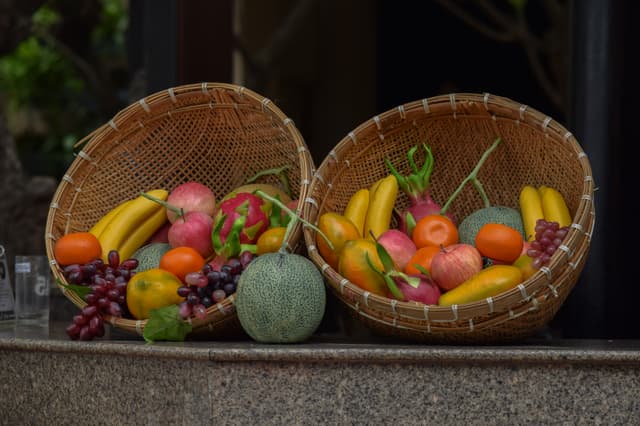
The nutritional value of our fruits and vegetables depends entirely on the soil in which they grow. When the land has soil rich in natural nutrients, it supports the growth of healthier, more nutrient-dense crops. For example, soil filled with essential minerals, vitamins, and antioxidants produces fruits and vegetables that are naturally richer and more beneficial for our bodies.
Chemical-treated soil can still produce crops that look good from the outside, but their nutritional profile is often compromised. Such produce may grow well in appearance, but it carries chemical residues and lacks the depth of nutrients that organically grown food provides.
2. No Harmful Chemicals = Cleaner Food
Conventional farming techniques rely heavily on fertilizers, pesticides, and various chemical-based inputs. These methods may make fruits and vegetables look fresh and appealing on the surface, but they are often loaded with harmful chemical residues that are not good for our health.
In contrast, organic farming completely avoids these synthetic chemicals. Instead, it uses bio-fertilizers, compost, natural pest control, and other organic techniques that nourish the soil and produce food that is genuinely clean, safe, and healthy.
3. Healthy Soil Supports a Healthy Ecosystem
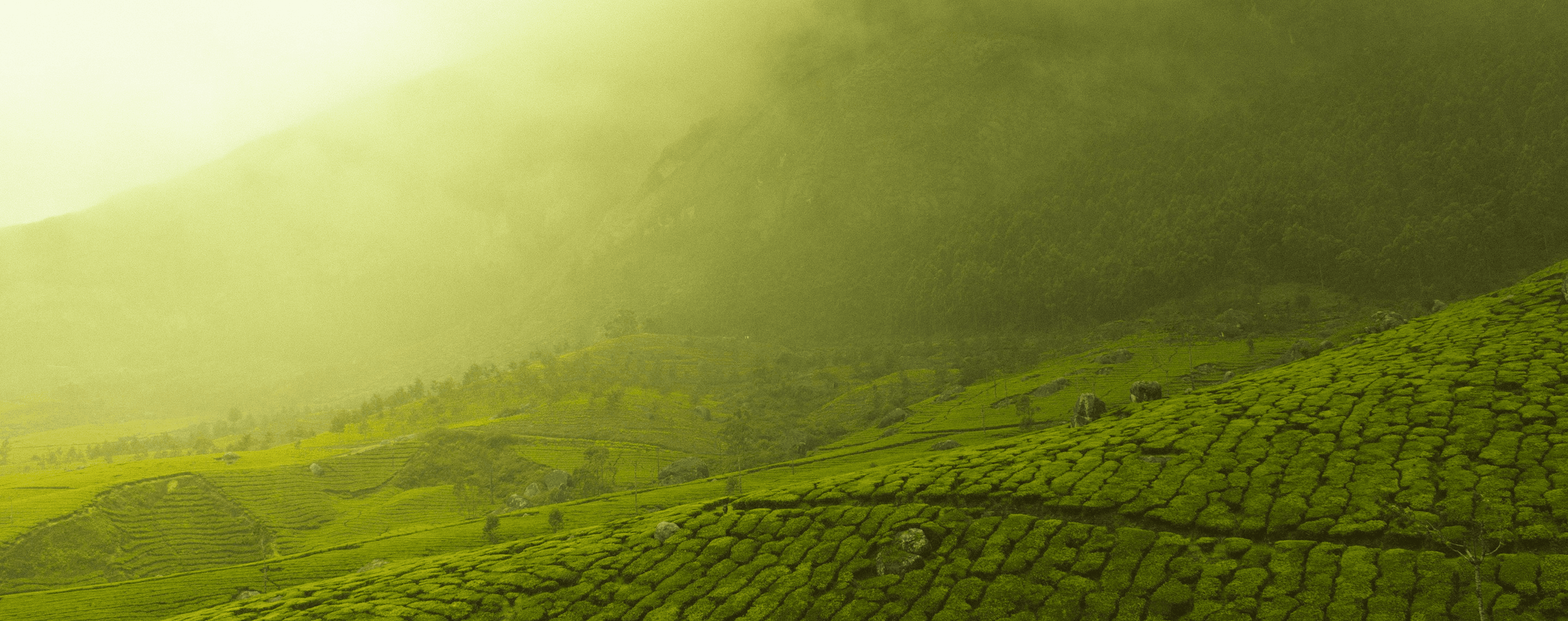
When the soil is truly nourished, it creates a powerful ripple effect across the entire farm ecosystem. It increases earthworm activity, supports beneficial insects, improves pollination, regulates water retention, and reduces soil erosion. As a result, organic farms evolve into small, thriving ecosystems, not just fields producing crops, but living landscapes that sustain life at every level.
4. Organic Farming Builds a Sustainable Future
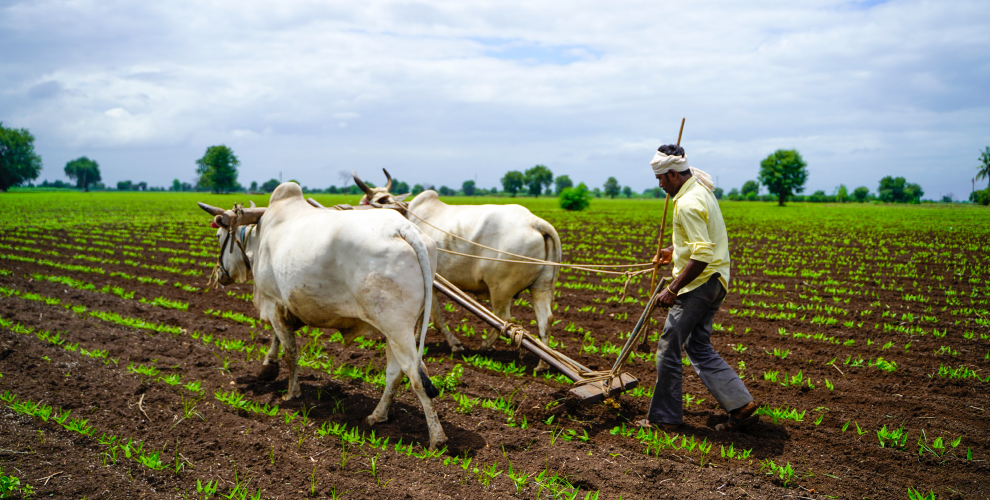
With climate change, degraded soil, and rising chemical use, India needs farming methods that rebuild rather than exploit. Organic farming protects soil for future generations, reduces the carbon footprint, promotes biodiversity, and conserves water. It is not just a farming technique it’s a sustainable solution for India’s food future.
The JR Farms Way: Healthy Soil → Healthy Food → Healthy You
At JR Farms, we believe that good food begins with good soil. Our farmers nurture the land using time-tested natural practices, ensuring that every vegetable you consume is truly organic, freshly harvested, rich in nutrients, and completely free from chemicals. It comes straight from our fields to your home; because when the soil is alive, your food is alive too.